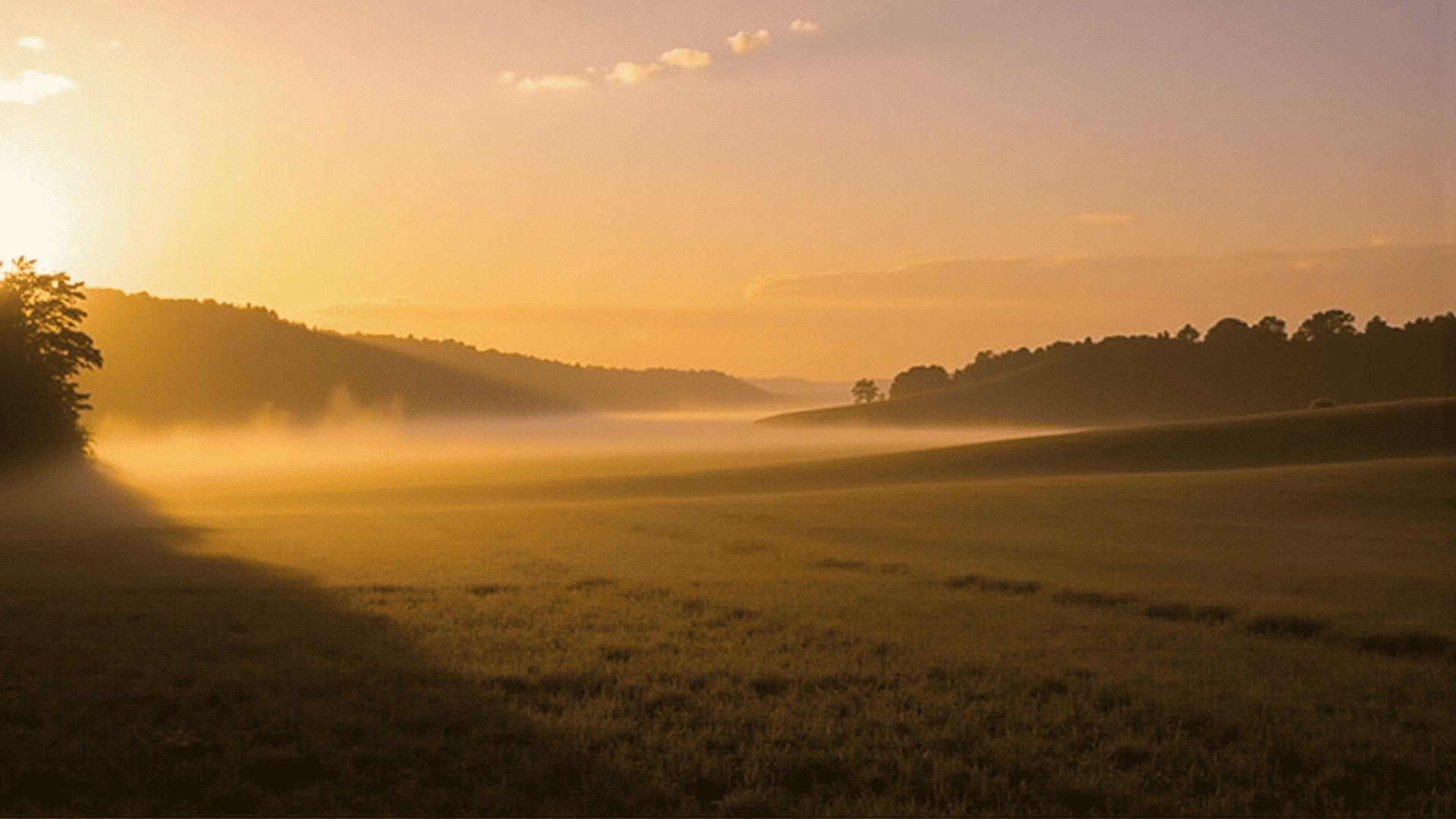
The role of light in the realm of photography offers countless possibilities and opportunities for creative expression. Recognizing how it influences the essence of a photograph is crucial to capturing images that effectively convey stories, emotions, and atmospheres.
Natural light comes from the sun and provides different qualities based on various factors, such as the time of day, weather, and season. Each of these factors impacts how light casts upon subjects and consequently affects the image's mood and tone. For instance, the golden hour—shortly after sunrise or before sunset—bathes scenes in warm, soft hues, perfect for creating inviting and tranquil images. Conversely, midday light can be harsh but may be harnessed to produce stark contrasts and dramatic clarity.
One important aspect of working with natural illumination is understanding and utilizing shadows. Shadows are not merely areas devoid of light; they add depth, dimension, and mystery to photos. Master photographers often use shadows intentionally to guide the viewer's eye, emphasize key elements, or establish a sense of intrigue within the frame.
Manipulating natural light involves more than just recognizing its presence; it is about learning to control it. This can be achieved through various strategies, such as the use of reflectors or diffusers. Reflectors help bounce additional light onto the subject, diminishing shadows and enhancing their visibility. Diffusers, on the other hand, soften harsh light, reducing strong contrasts and creating a pleasing, even illumination.
Another vital aspect is the consideration of the angle and direction of light. Side lighting, where light falls on the subject from either side, creates notable contrasts and textures, highlighting form and space. Front lighting, where light sources illuminate subjects straight on, results in evenly lit scenes with fewer shadows, perfect for reducing textures and creating a clear portrait. Backlighting, placing the light source behind the subject, can be playful and artistic, generating silhouettes or halo effects that enhance mood and narrative.
Furthermore, incorporating techniques like the use of window light indoors can create serene and evocative compositions. Windows act as large diffusers, softening the sunlight and casting a flattering glow on subjects, making them appear more natural and intimately connected to the scene.
Training oneself to see how light changes throughout the day and observing its interaction with the environment can dramatically improve photography skills. By examining how it bends, bounces, and breaks, photographers can predict how it will behave and effectively plan their shots to capture breathtaking imagery.
Ultimately, a deep appreciation for natural illumination in photography enables individuals to transcend the limitations of simple observation and step into the realms of artistry and creativity. Understanding and manipulating light is not just a technical skill but a gateway to expressing vision and emotion through visual storytelling.