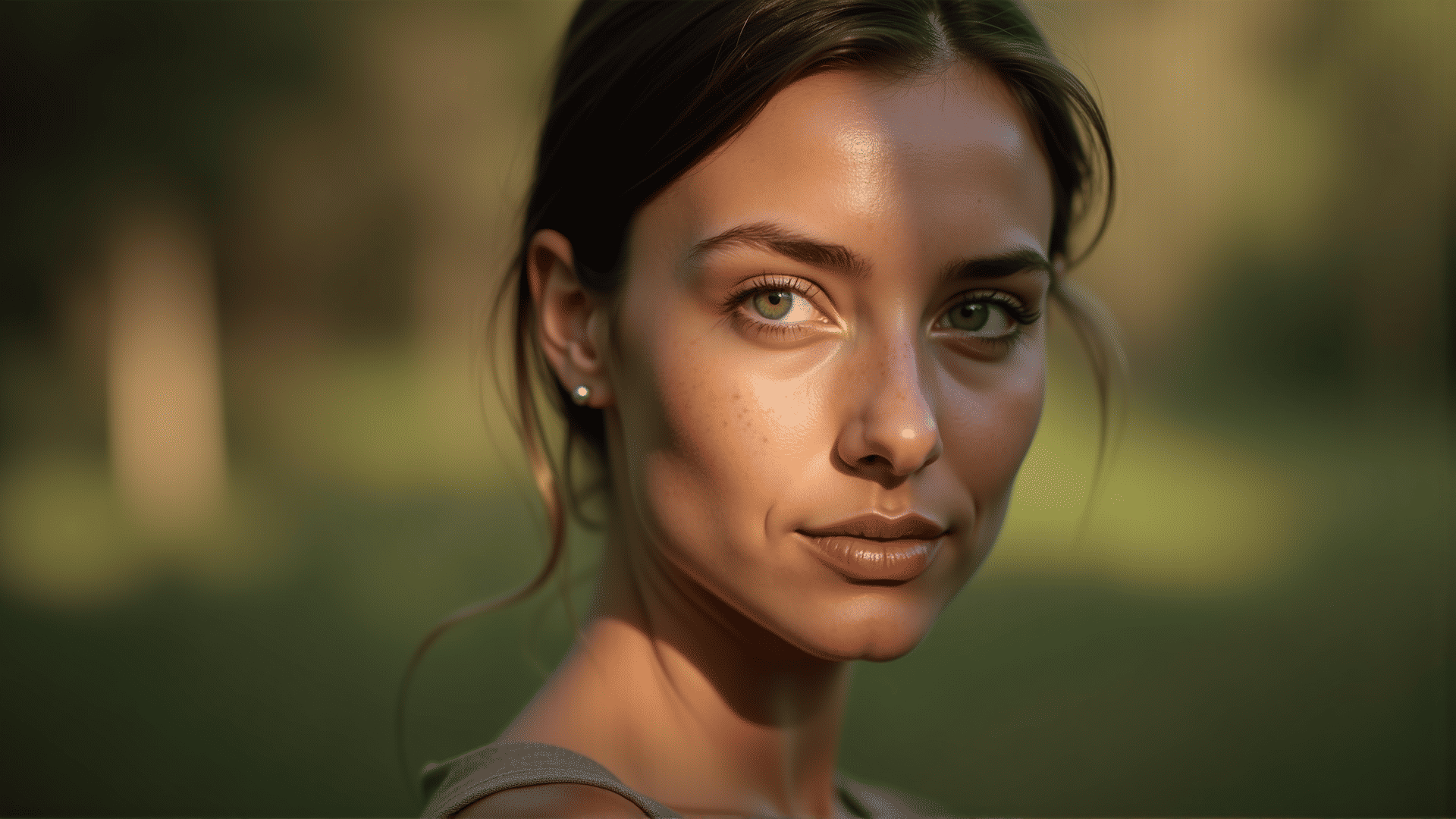
Capturing mesmerizing images is an art form intricately tied to a deep understanding of light. Whether basking in the warm glow of a sunrise or playing with shadows during the twilight hours, learning to harness light can elevate your visual storytelling to new heights.
Understanding Natural Light
Natural light has myriad qualities, transforming throughout the day, each creating a unique atmosphere for your images. Early morning light, with its soft, diffused glow, is perfect for gentle portraits and serene landscapes. As the sun climbs higher, the light becomes harsher, casting strong shadows that can add dramatic flair to architectural scenes.
During golden hour—the time shortly after sunrise or before sunset—the sky paints a canvas of warm hues. This light is soft and flattering, ideal for photographing people and nature, adding an emotive quality that enhances storytelling. Conversely, blue hour, just before sunrise or after sunset, envelopes subjects in a cooler tone, creating a sense of mystery and tranquility.
Mastering Artificial Light
When the sun sets or indoor shooting is necessary, artificial light comes into play. Mastery of this form begins with understanding your sources. Whether using overhead lights or lamps from around the home, each source has its unique color temperature. Adjusting and mixing these sources can create various moods, from cozy warmth to stark contrast.
Controlling artificial light enables precision unmatched by natural sources. Experimenting with direction and intensity allows you to dictate the narrative, drawing attention to specific details or creating intriguing compositions through shadow play.
Utilizing Light for Narrative Impact
Light’s direction is crucial; it can highlight features, convey emotions, and evoke introspective moods. Front lighting brightens a subject but may flatten features, making it suitable for straightforward documentation. Side lighting introduces depth, texture, and drama, ideal for portraits and still life compositions, whereas backlighting adds a halo effect, perfect for creating silhouettes.
Moreover, shadows aren't merely an absence of light but a tool for adding mystery, depth, and definition. Learning to play with these shadows—how they fall and interact with shapes—can enhance the storytelling aspect of an image.
Experiment and Adapt
The true essence of mastering light lies in experimentation. Embrace both the predictable and the unexpected. Overcast days, often viewed as unfavorable, provide a natural diffuser, softening shadows and enhancing color saturation. Similarly, night photography, with its limited light, challenges you to explore long exposures and creative lighting techniques.
Every setting, light source, and time of day offers a unique palette to work with. By adapting to these conditions, you allow the environment to guide your creativity, resulting in authentic, compelling imagery that resonates with viewers.
Conclusion
Embracing light means understanding its subtleties and leveraging them to enhance your narrative. By experimenting with natural and artificial sources, manipulating direction, and playing with shadows, you refine your skills as a visual storyteller. Remember, every photograph is an opportunity to convey a story, and light is the language through which it speaks.